Bloomin’ Update 20: Bulbalicious!


The other day when I pulled into the driveway and stepped from my car, I was overcome by the sweet perfume scent of Hyacinths.  It’s a smell that I call intoxicating.  In fact, I’ve referred to this scent as intoxicating so often and for so many years that it has become a sort of running joke between myself and Joe. 

“Can you smell that?” I begin.  “It’s . . . “

“I know, I know,” answers Joe.  “It’s intoxicating.”

Now I’m thinking of breaking out of predictability with a new description for Hyacinth — and I’m going with Bulbalicious.  I figure if the vernacular can work for Beyonce, why not Hyacinth?

While Hyacinth may be the headliner on the Spring stage, we mustn’t overlook the supporting bloomers.  Afterall, we all know what happened to Diana Ross & the Supremes.  Besides, these back-up harmonizers are all Bulbalicious in their own right.

Tulip — a little shy now, but emerging slowly.

What’s her name again?  I’m not sure what to call this dainty flower, but she’s reliable.

Watch out for Muscari.  With a name like that, she’s the vixen of the bunch, and she just might push Hyacinth out of the spotlight.  In fact, I believe she’s exploring a film role as a tree in a Dr. Seuss movie.

At this time of year, I have all the drama and diva attitudes I can handle right in the garden. What’s that I hear? “And I am telling you, I’m not going. . . You’re gonna love me . . .”  

Bulbalicious all the way.


A Pot To Call My Own


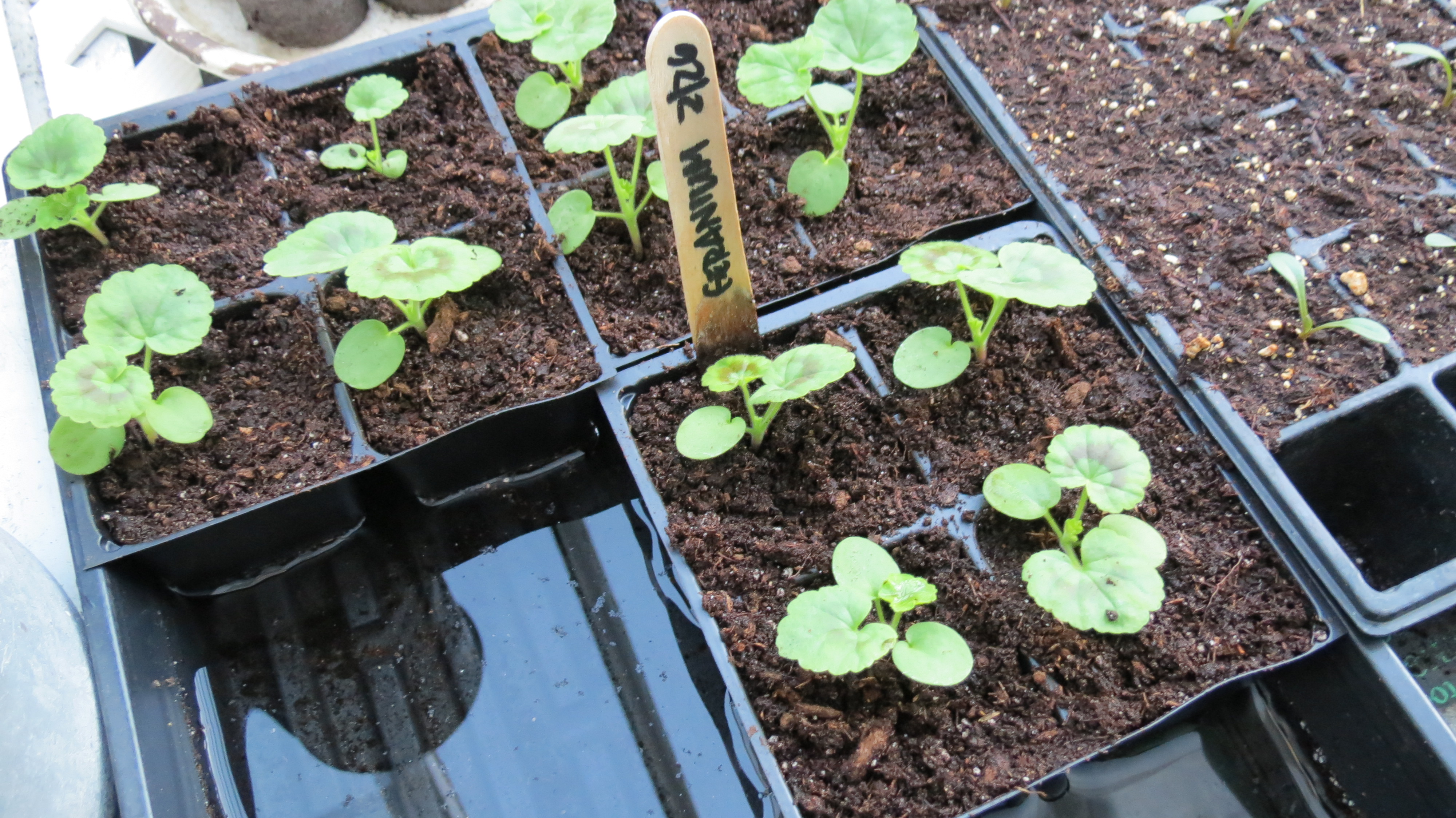
It seems like only yesterday that I planted these Geraniums, the first of this year’s seeds to be started early — and here they are, all grown up and ready to be moved into individual pots.  The truth is I am always caught off guard each year.  I know this day has to come – and then all at once, all of the sprouts have their first set of true leaves, an indication that I’ve got a lot of transplanting to do. 

Step 1:  I moisten a batch of seed starting mix, which is a little lighter and airier than potting soil and so roots do not have to work as hard to develop and grow.  Keeping the mixture moist not only creates a damp environment for the transplant, but it also keeps down the dust factor for your lungs.  I then fill the cell packs with the mixture.  Using a pencil or the tongue depressor plant label, I make some room for the transplant, deep enough so the roots can grow downward.

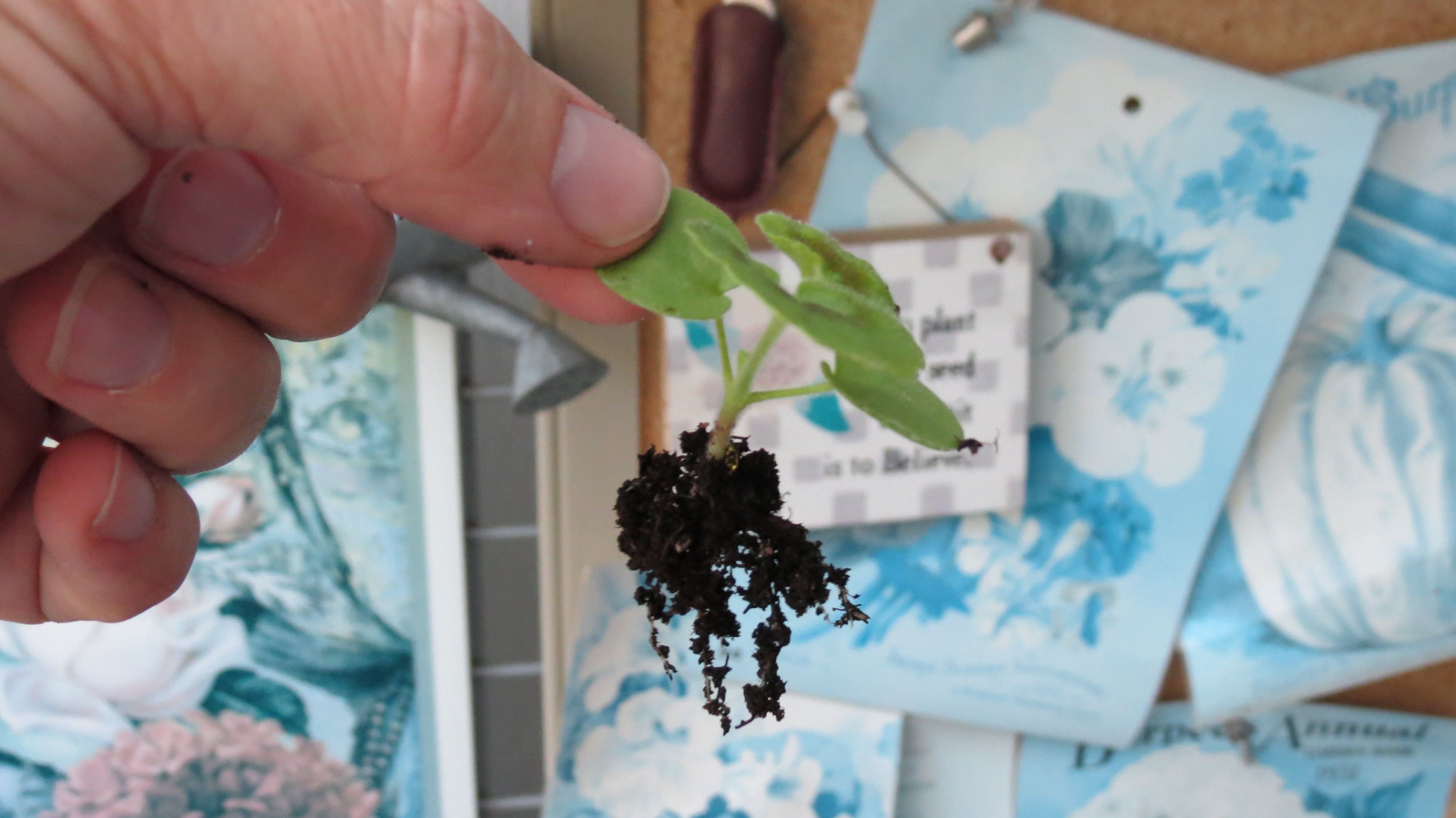
Step 2: I then ease the seedling from it’s starting pot.  This can be a little tricky.  I use the plant label as a shovel to help bring out the seedling.  In a starting pot that is more densely packed, I usually unpot the whole thing, resting the potless soil and seedlings on the potting bench.  I am then able to pry out each individual seedling, working from the perimeter to the middle, without disurbing the roots of the neighboring plants.

Step 3: At this stage, be very careful in how you handle the seedling.  I do not hold the plant by its stem or by the first set of true leaves.  Everything is still a little delicate — kind of like the soft spot on a baby’s head — and I wouldn’t want to crush any of  the developing plant cells.  Instead, the only thing I handle are the cotyledon leaves, the “baby leaves,” since these will eventually die as the plant continues to grow.

Step 4: With my plant label “tool,” I place the seedling into it’s new pot.  My goal is to help the roots into the hole’s depth, rather than bunching up near the surface.  I think this helps the overall health of the plant, especially as it continues to mature and is ultimately planted in the garden.  Deeper root development helps to prevent the plant from drying out in arid conditions.

Step 5:  Finally, I place the pot in a tray of water for bottom watering.  At this stage, I do not want to compact the soil mixture too much with watering from above, since that would hinder healthy root development.


Now that the Geraniums are transplanted, all I have left are Amaranth, Impatiens, Salvia, Candytuft . . . Hmmmm . . . Do you suppose this is why Joe scratches his head in disbelief each year? 

Bloomin’ Update 19: The Wearin’ O’ The Green


It’s truly a green day! 

I’m on my way to march and play my bagpipes in the NYC parade,

but I wanted to share some of the greenery in my neck of the woods. 

Happy Saint Patrick’s Day!

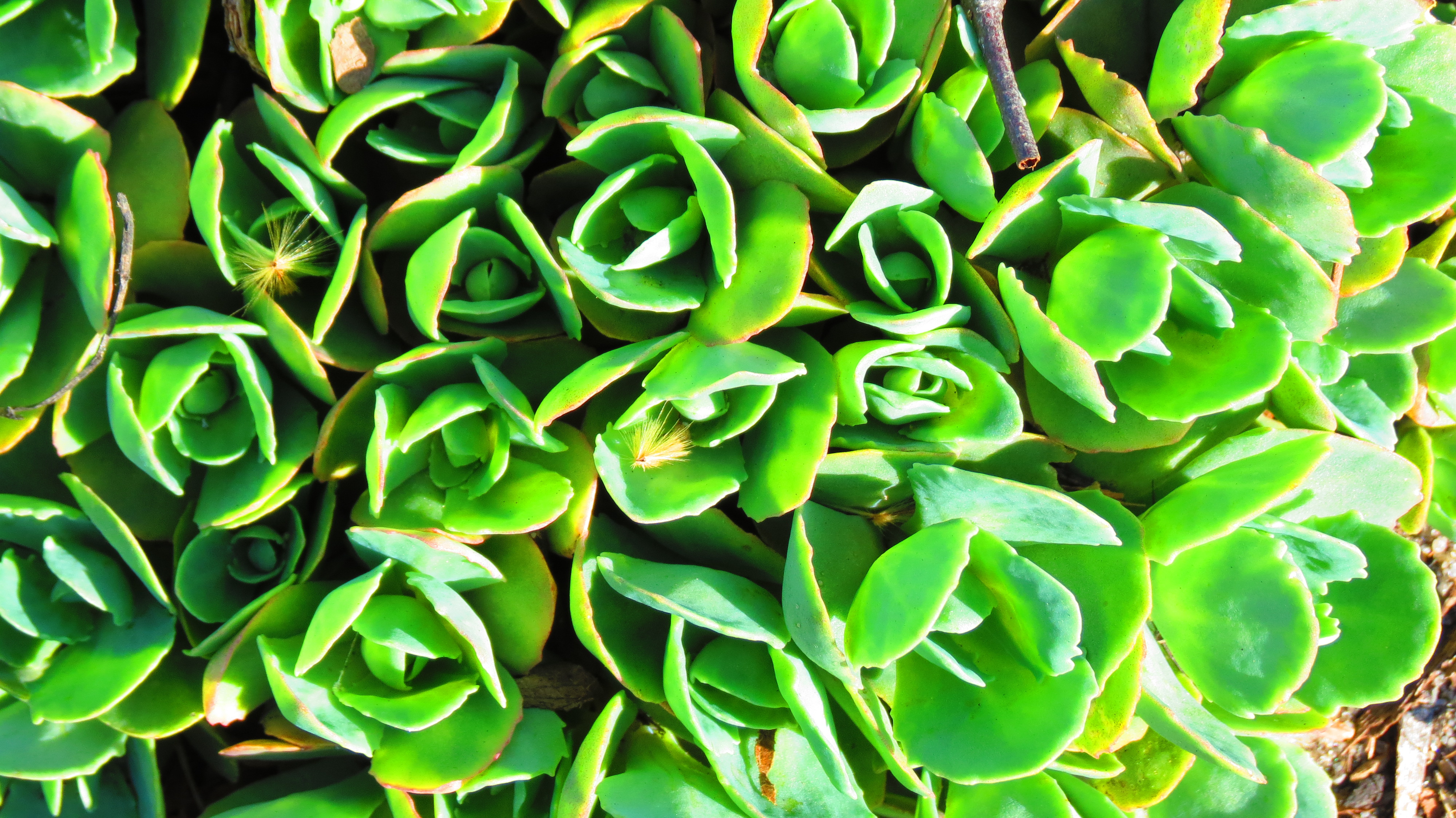
Swirls of Sedum.

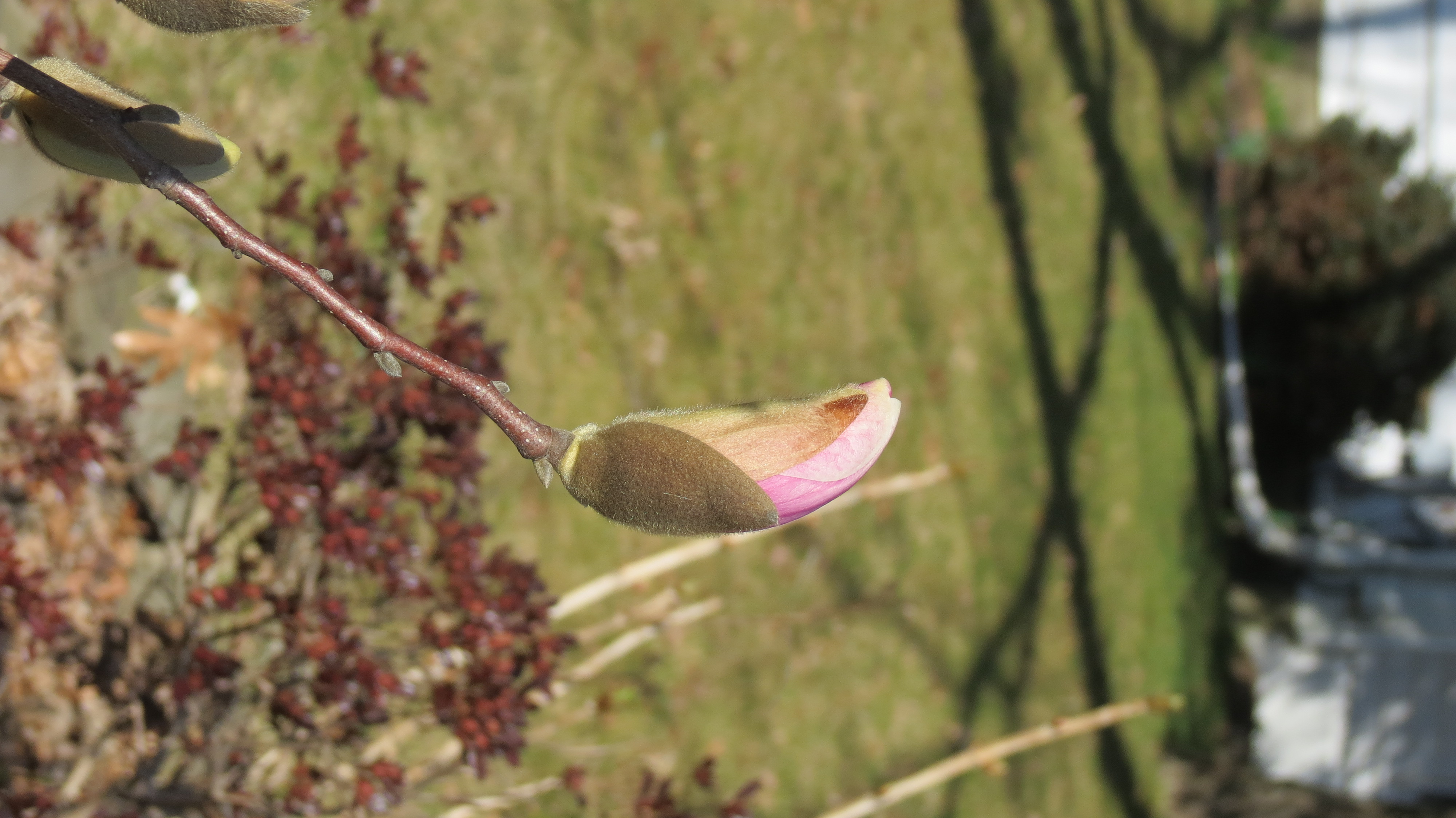
In a matter of warm days, the northern-growing Magnolia went from this. . .

. . . to this. So close!

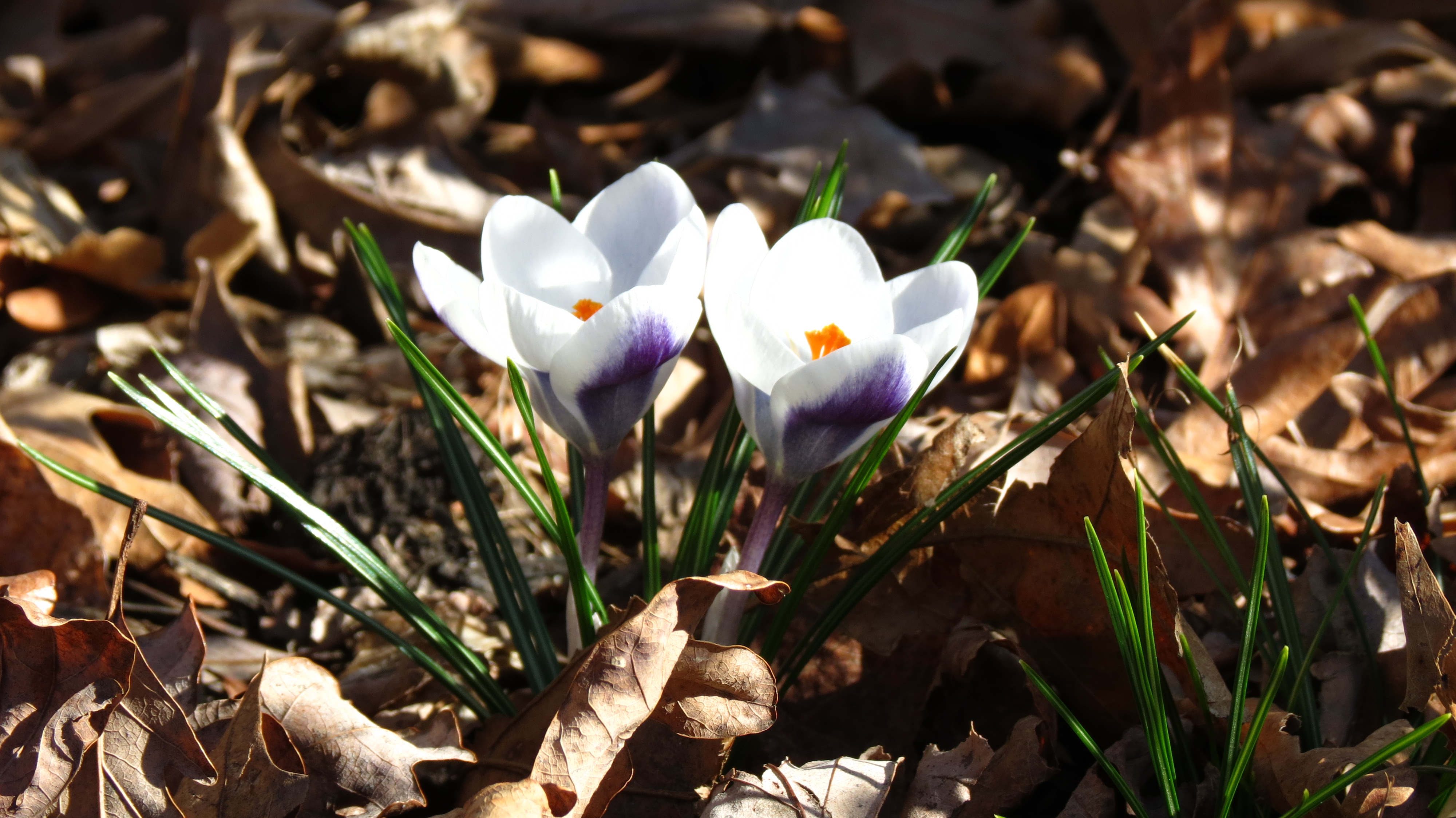
Crocus make an appearance.

Bela Lugosi Daylilies greeting the sun.

Bloomin’ Update 18: One Week In Two Zones


One day, you’re on vacation in South Florida, gazing at the pattern of a banana leaf sunlit from behind (above) — and the next, you’re bundled up against the wind chill of Long Island.  After arriving home, I went through some random Florida photos and then walked around the yard on Long Island to make a comparison.  Can you guess which photos came from which zone?

Continue reading

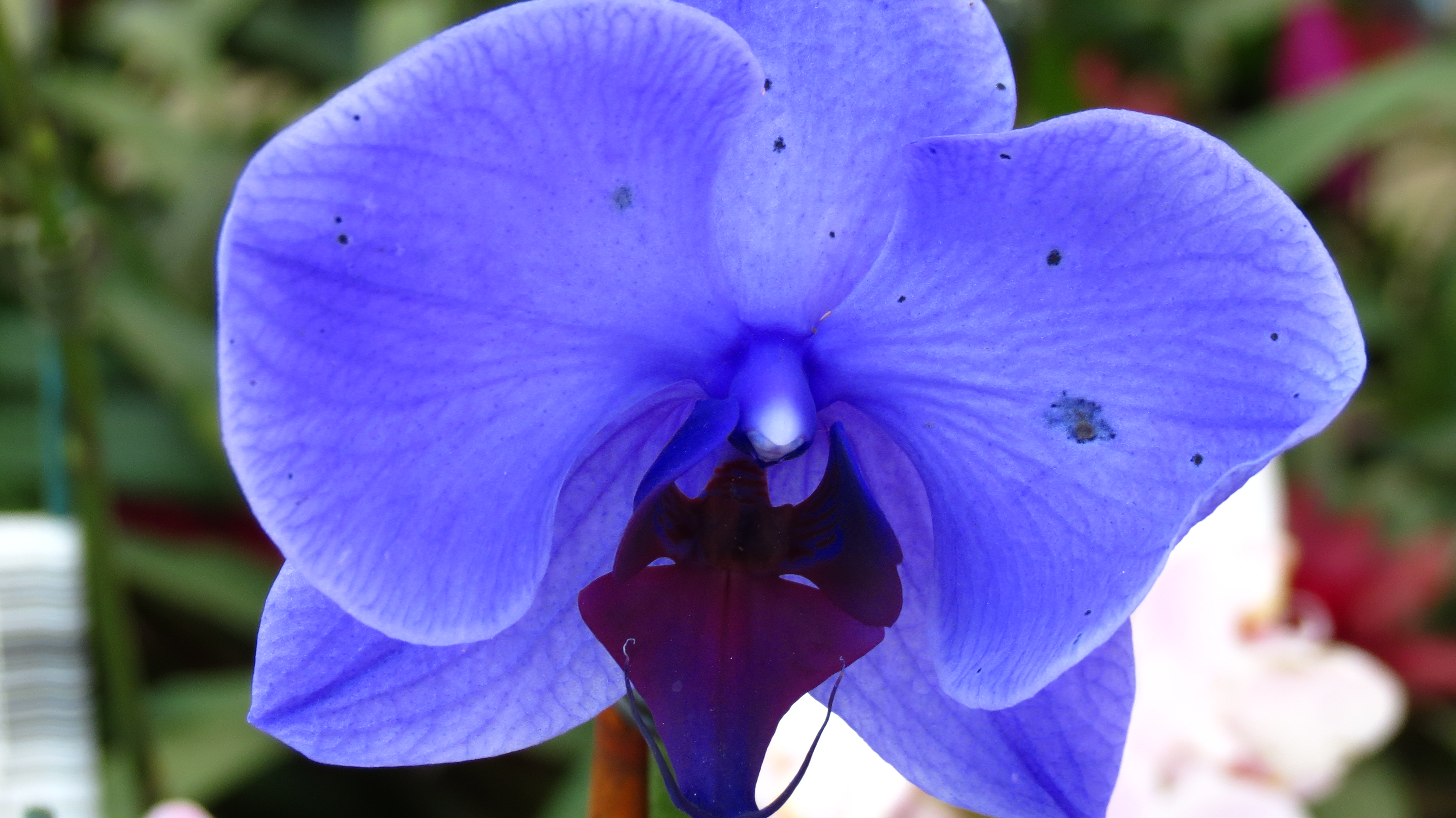
Waiting For The Big O (you know, as in orchid)


That headline sums up what I felt when I spotted this orchid in a south Florida box store (rhymes with Gnome Repo).  I know that an eventual move to Fort Lauderdale would require some adjustments and adaptations and learning, but nothing quite prepared me for orchid fever.  From their smiling faces to their vibrant colors, from their graceful bounce to the way their blooms line up along the stem — I find myself completely entranced.

Continue reading

Flora Fan Finds Flora Fun In Florida


We should have known that when we signed the papers for the house, that cluster of thunderstorms would have grown into a monster.

For twenty years now, I’ve been making a list.  One month before Hurricane Andrew slammed into South Florida, Joe and I purchased our retirement home – and ever since, I have worked on my list, editing it, adding to it, rethinking it. 

The list has to do with landscaping our retirement yard, which is pretty much a blank slate.  Over the years, we’ve planted palm trees – thereby giving us the basic garden structure.  But how do I fill in all of the open areas?   How do I adapt my very basic Long Island gardening knowledge to a subtropical zone? 

Continue reading

Bloomin’ Update 17: Anticipation


One of my favorite Christmas carols is “In the Bleak Midwinter,” and my thought was to use it as the basis for a “Bloomin’ Update” post with photos of wintry scenes.  But this winter hasn’t been so bleak.  In fact, it feels more like mid-March than mid-winter.  Perhaps a more appropriate title should be “In the Balmy Midwinter.”

Holly berries.

Hardy Geranium

Continue reading

Bloomin’ Update 16: Ageless & Evergreen


White Pine

First, let me say that I loathe snow.   My loathing is contingent upon the depth of said white stuff.  The deeper it gets, the loathier I get.  While the weather forecasters have reminded us of this year’s snow deficit, that is of little consolation to me. 

I dislike dressing in layer upon layer just to go outside to get the mail.  The cardiologist has given me strict orders to not even think of shoveling this marshmallow world.  And here on Long Island, we are very often on the cusp of snow and water, which means that a snowy day results in a super-sized slushy.  So, let me say that I will not powder this post with words like fluffy and blanket and sugar.  This will not be an ode to snow.

That, at least, is my first reaction when I see snow.  It isn’t until I really look at snow that I can embrace its wonder, how it blows and drifts and catches on branches.  Snow, I think, makes me appreciate evergreens more than ever. 

My window of awe is a brief one, and this is my moment to enjoy winter white.

Continue reading

Bloomin’ Update 14: The Holly & The Ivy


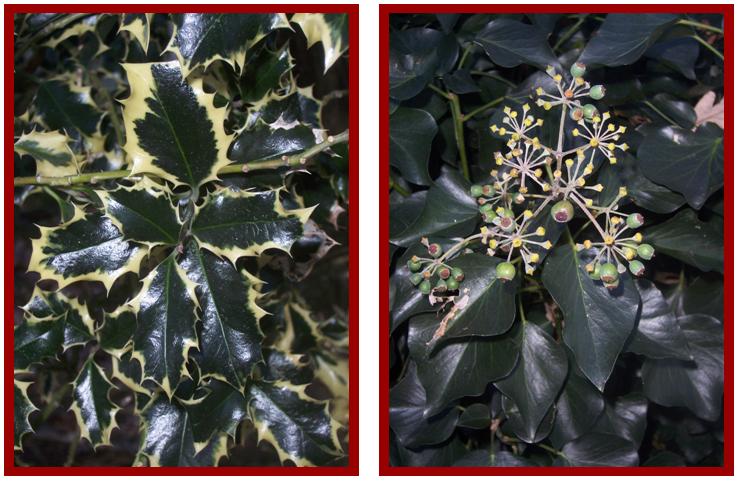
Like most people at this time of year, I have Christmas carols on the brain.  They’re everywhere: malls, supermarkets, non-stop radio stations — it’s hard not to hum a few bars.  That’s what I’m doing a lot of, especially with “The Holly and the Ivy.”   It’s a moving carol, especially when sung by a choir or by folks dressed up like eskimos. 

In my head, though, the song sounds something like this: “The holly and the ivy. Hmmm. Hmmm. Hmmm. Hmmm.”  I don’t really know the words — and this, my fellow holiday revelers, is the reason for this post.  My intention was to locate the lyrics and print them with pictures of, well, holly and ivy.  A simple, no-nonsense post —  until I began the research and uncovered a complicated history of the carol.

Continue reading

Not-So-Wordless Wednesday: Gardeners Beware!


An Open Letter To All Home & Garden Centers


Dear Home & Garden Centers:

I have come to the conclusion that you are deliberately misleading the plant-buying public for your own profit by selling plants while not fully disclosing  the plant’s specific needs and growing conditions. 

I first became suspicious of  your tactic years ago, when I purchased a beautiful climbing vine that was covered with deep pink trumpet flowers.  The plastic tag said Mandevilla, and when I asked the salesperson if this can grow on Long Island, he said yes.  Although I was suspicious, it wasn’t a complete lie.  This tropical beauty did grow on Long Island — until the first frost.  Then, it was kaput.

Imagine my surprise this year, when I saw countless Zone 6 and 7 shoppers picking up pots of Croton, pictured above.  I had only seen the plant in South Florida — because it is native to the tropics.  Actually, it’s one of my favorite plants in South Florida — the leaves come in a variety of shapes, from flat to crinkly, wide to elongated, and the colors are brilliant hues of greens and reds and golds.  With autumnal colors like that, it’s no wonder that so many northern gardeners stocked up on the plant, punching up their fall flower displays.  

What saddens me in all this is the amount of money that homeowners shelled out for a plant that really would only last until the first frost — which, in this area, could happen a day or a week after purchase.  There’s no guarantee when frost will arrive, just know that it will — and when it does, your tropical treat will be a droopy disaster.

Equally frustrating is the amount of money the garden centers pull in by selling tropical plants at the end of the growing season.  I really cannot blame the gardening public.  For starters, they may not have any knowledge of the plant.  It’s the garden centers, though, which not only count on the consumers’ impulses but also have their expert salesperson guide the novice gardener into making the purchase.

That’s a lot of brown matter, as well as green matter — financial and organic.  It’s also a waste.  And it’s irresponsible.  And it teeters awfully close to being a scam.  But, hey, that’s business.  Right?

From now on, I will speak up when I see a shopper wasting his or her money on a plant that has no chance of surviving because of the climate.  The buyer and the gardener should certainly be aware, but so should the home and garden center — we  gardeners know your game and we know how to plant seeds.

Sincerely,

Nitty Gritty Dirt Man