An Open Letter To All Home & Garden Centers
Dear Home & Garden Centers:
I have come to the conclusion that you are deliberately misleading the plant-buying public for your own profit by selling plants while not fully disclosing the plant’s specific needs and growing conditions.
I first became suspicious of your tactic years ago, when I purchased a beautiful climbing vine that was covered with deep pink trumpet flowers. The plastic tag said Mandevilla, and when I asked the salesperson if this can grow on Long Island, he said yes. Although I was suspicious, it wasn’t a complete lie. This tropical beauty did grow on Long Island — until the first frost. Then, it was kaput.

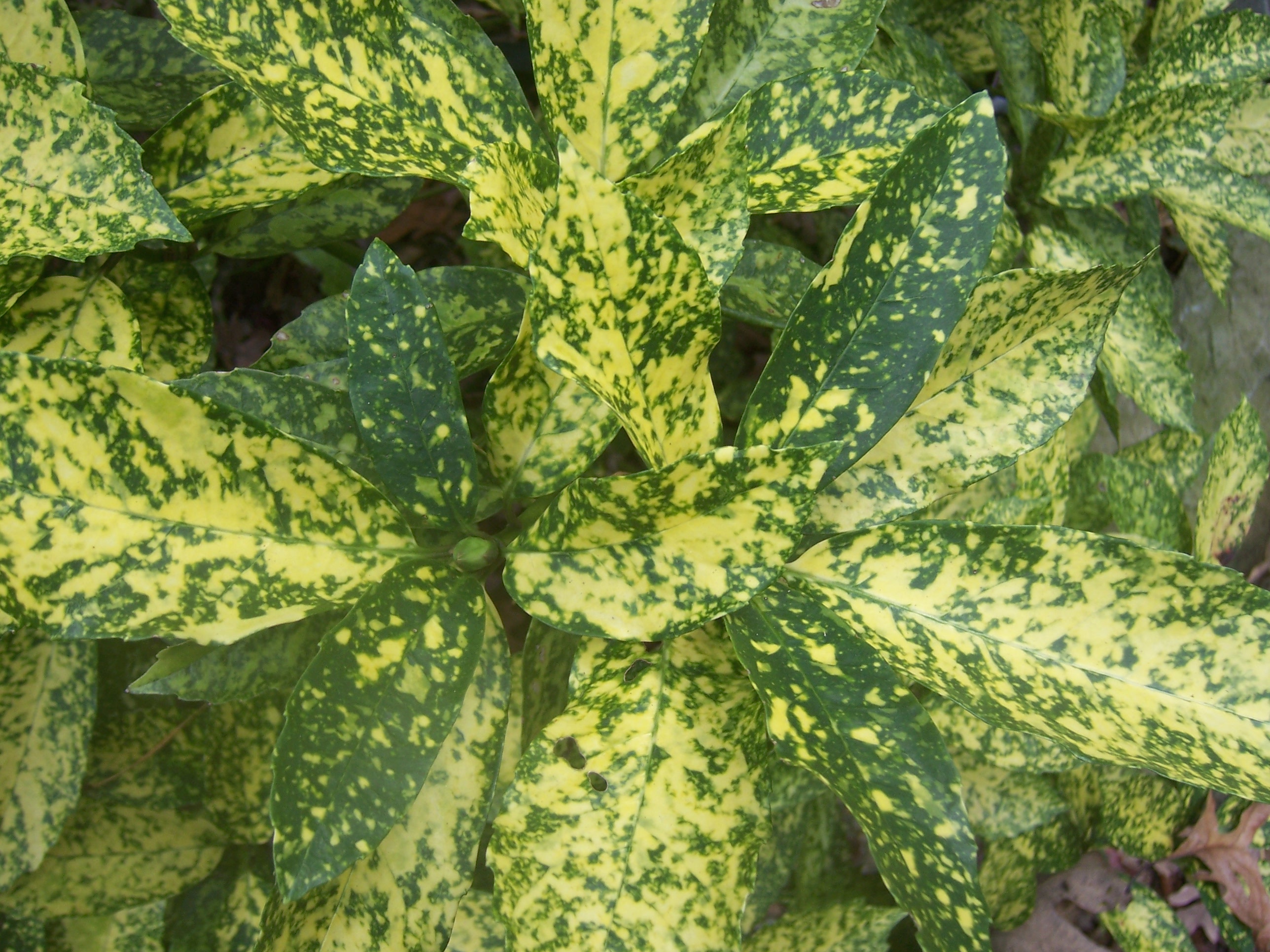
Imagine my surprise this year, when I saw countless Zone 6 and 7 shoppers picking up pots of Croton, pictured above. I had only seen the plant in South Florida — because it is native to the tropics. Actually, it’s one of my favorite plants in South Florida — the leaves come in a variety of shapes, from flat to crinkly, wide to elongated, and the colors are brilliant hues of greens and reds and golds. With autumnal colors like that, it’s no wonder that so many northern gardeners stocked up on the plant, punching up their fall flower displays.
What saddens me in all this is the amount of money that homeowners shelled out for a plant that really would only last until the first frost — which, in this area, could happen a day or a week after purchase. There’s no guarantee when frost will arrive, just know that it will — and when it does, your tropical treat will be a droopy disaster.
Equally frustrating is the amount of money the garden centers pull in by selling tropical plants at the end of the growing season. I really cannot blame the gardening public. For starters, they may not have any knowledge of the plant. It’s the garden centers, though, which not only count on the consumers’ impulses but also have their expert salesperson guide the novice gardener into making the purchase.
That’s a lot of brown matter, as well as green matter — financial and organic. It’s also a waste. And it’s irresponsible. And it teeters awfully close to being a scam. But, hey, that’s business. Right?
From now on, I will speak up when I see a shopper wasting his or her money on a plant that has no chance of surviving because of the climate. The buyer and the gardener should certainly be aware, but so should the home and garden center — we gardeners know your game and we know how to plant seeds.
Sincerely,
Nitty Gritty Dirt Man















 Nitty Gritty Dirt Man